Single Line Diagrams
FAQ
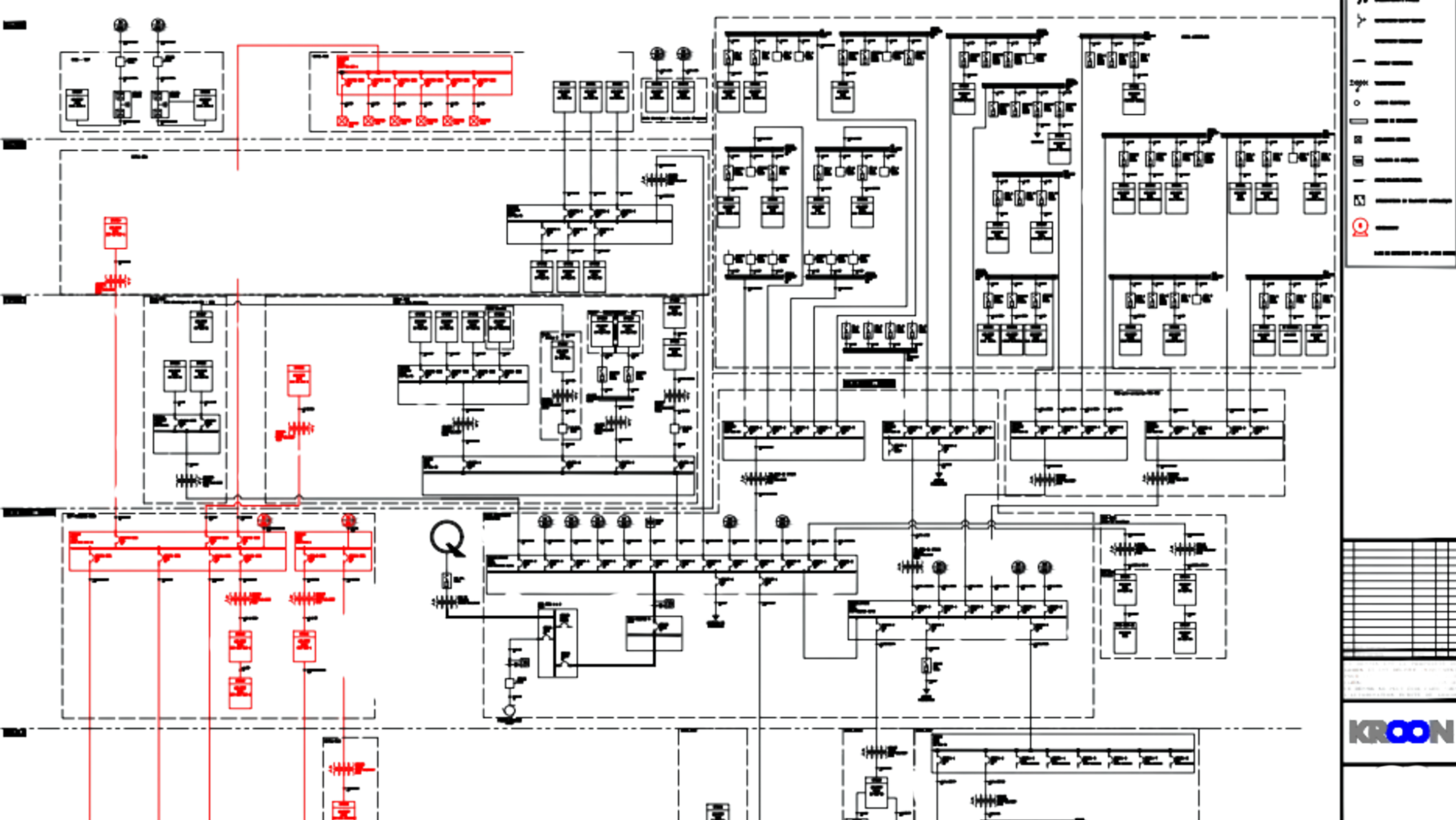
Electrical infrastructure drawings provide a clear representation of your electrical assets, protective devices, and conductors. Our engineers will work with you to create comprehensive single line diagrams that show the flow of power through your system, helping you to identify assets and troubleshoot issues quickly and effectively.
The single line diagram can be one of the most important safety documents that your facility can have.
What is a single line diagram?
A single line diagram (SLD) is a simplified electrical drawing that represents the components of an electrical power system — including generators, transformers, switchgear, circuit breakers, cables, and loads — using single lines and standardized symbols. Despite its simplified appearance, a single line diagram conveys all the essential information about the structure and flow of power through your electrical system, making it one of the most important reference documents your facility can have.
Why are single line diagrams important for electrical safety?
Single line diagrams are essential safety documents. They allow engineers, technicians, and operators to quickly understand how your electrical system is configured, identify the location of protective devices, and plan safe work procedures before interacting with energized equipment. In an emergency, an accurate single line diagram can be the difference between a fast, controlled response and a dangerous situation. CSA Z462 and NFPA 70E both emphasize the importance of accurate electrical documentation as a foundation for safe electrical work.
What does RW Electric's single line diagram service include?
RW Electric: A Division of KROON’s single line diagram services include the development of new diagrams from scratch, the update and correction of existing diagrams, and field verification surveys to confirm that drawings accurately reflect the current state of your electrical system. RW Electric’s engineers and draftsmen produce professional-grade single line diagrams that meet applicable standards and can be used directly by your operations and maintenance teams.
What information is captured in a single line diagram?
A comprehensive single line diagram captures all major electrical components including the utility service entrance, main switchgear, transformers, distribution panels, motor control centers, generators, UPS systems, protective devices, and major loads. It also shows the connections between these components, the voltage levels at each point in the system, and the ratings of key equipment and conductors.
How does RW Electric verify that existing single line diagrams are accurate?
RW Electric performs field verification surveys in which engineers and technicians physically inspect the electrical system and compare it against existing drawings. Any discrepancies — missing equipment, incorrect connections, outdated ratings — are documented and corrected in the updated diagrams. For facilities that have undergone changes or additions over the years, field verification is essential to ensure documentation reflects current conditions.
How often should single line diagrams be updated?
Single line diagrams should be updated whenever changes are made to the electrical system — including new equipment installations, system modifications, protective device changes, or load additions. Outdated drawings create safety risks and can lead to errors during maintenance, troubleshooting, and emergency response. RW Electric recommends reviewing and verifying your single line diagrams as part of any major electrical project or maintenance program.
Can single line diagrams be used for arc flash and coordination studies?
Yes — accurate single line diagrams are a prerequisite for arc flash, short circuit, and coordination studies. The system model used in these studies is built directly from the information in the single line diagram. If your diagrams are incomplete or inaccurate, the results of these studies will be unreliable. RW Electric can develop or update your single line diagrams as part of a broader engineering study scope.
Where does RW Electric provide single line diagram services?
RW Electric: A Division of KROON provides single line diagram services throughout Kingston and Eastern Ontario, and through the BCES Global network of subsidiary companies, across the rest of North America.
How do I get started with a single line diagram project through RW Electric?
Contact RW Electric at 613-634-2341 or through the request form at rwelectric.com. Our engineering team will assess your existing documentation and provide a scoped proposal for new diagrams or updates to your current drawings.