Transient Voltage Studies
FAQ
Protect your electrical systems from voltage surges with a Transient Voltage Analysis. Transient voltage events can result in voltage surges, spikes, and oscillations, which can lead to equipment damage, power outages, and even safety hazards.
By conducting transient voltage analysis, our engineers can assess their potential impact and develop strategies to mitigate their effects. With a Transient Voltage Analysis, you can rest assured that your systems will operate safely and reliably, even in the face of voltage spikes and surges.
What are transient voltage studies?
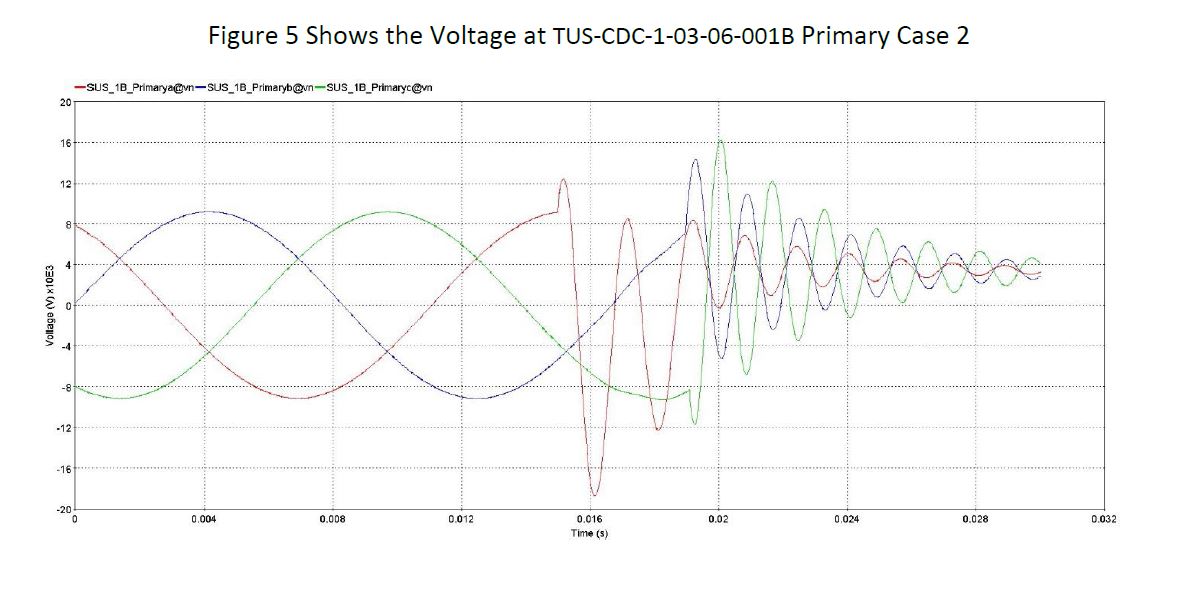
Transient voltage studies are engineering analyses that identify, measure, and assess the impact of sudden, short-duration voltage spikes and disturbances in your electrical system. Transient events — caused by lightning strikes, utility switching, load switching, fault clearing, and capacitor bank operations — can produce voltage levels many times higher than normal system voltage, lasting only microseconds to milliseconds. Despite their brevity, these events can cause significant damage to sensitive equipment, insulation degradation, and operational disruptions.
Why are transient voltage studies important?
Modern electrical systems increasingly rely on sensitive electronic equipment — variable frequency drives, PLCs, computers, and precision instrumentation — that is highly susceptible to transient voltage events. Without a transient voltage study, facilities cannot know the magnitude or frequency of transient events occurring in their system, or whether their existing surge protection is adequate. A transient voltage study provides the data needed to implement targeted protection measures and prevent costly equipment damage and downtime.
What causes transient voltage events in electrical systems?
Transient voltage events can be caused by a wide range of internal and external sources including lightning strikes on or near the facility, utility switching operations, capacitor bank switching, motor starting and stopping, fault clearing by protective devices, and the operation of large inductive loads. Each source produces transients with different characteristics, and a thorough transient voltage study identifies and characterizes all significant sources affecting your system.
What does RW Electric's transient voltage study include?
RW Electric: A Division of KROON’s transient voltage study service includes field measurement and monitoring of your electrical system to capture transient events over a representative period, analysis of the recorded data to characterize transient sources and severity, assessment of your existing surge protection measures, and a detailed engineering report with findings and recommendations. Where transient levels exceed acceptable thresholds, RW Electric provides targeted recommendations for surge protection upgrades.
What surge protection solutions does RW Electric recommend following a transient voltage study?
Based on the findings of the transient voltage study, RW Electric’s engineers recommend appropriate surge protection measures tailored to your system and equipment. Solutions may include the installation of surge protective devices (SPDs) at the service entrance, distribution panels, and individual equipment, as well as transient voltage surge suppressors (TVSS), isolation transformers, and power conditioning equipment. RW Electric can also manage the supply and installation of recommended protection measures.
How does a transient voltage study differ from a power quality study?
A power quality study covers a broad range of power quality parameters including voltage sags, swells, harmonics, flicker, and imbalance — in addition to transients. A transient voltage study focuses specifically on the characterization and mitigation of short-duration voltage spikes and surges. In many cases, transient voltage analysis is performed as part of a broader power quality assessment, though it can also be conducted as a standalone study when transient-related equipment damage or failures are the specific concern.
What types of facilities benefit most from transient voltage studies?
Transient voltage studies are particularly valuable for facilities with a high concentration of sensitive electronic equipment, facilities located in areas with frequent lightning activity, industrial facilities with large motor or capacitor bank loads, and any facility that has experienced unexplained equipment failures or shortened equipment service life. RW Electric can assess whether a transient voltage study is appropriate for your facility based on your equipment profile and history of power quality issues.
Where does RW Electric provide transient voltage study services?
RW Electric: A Division of KROON provides transient voltage study services throughout Kingston and Eastern Ontario, and through the BCES Global network of subsidiary companies, across the rest of North America.
How do I arrange a transient voltage study with RW Electric?
Contact RW Electric at 613-634-2341 or through the request form at rwelectric.com. Our engineering team will assess your facility’s power quality concerns and provide a scoped proposal for a transient voltage study and any recommended protection measures.