Ground Potential Rise Studies
FAQ
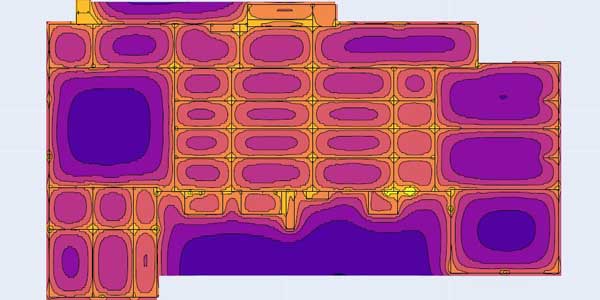
Ground Potential Rise (GPR) Studies involve the analysis of the potential rise in ground voltage levels that can occur during faults in electrical systems. Faults can cause a significant increase in ground voltage, which can lead to safety hazards such as electric shock, dangerous Step and Touch Potentials and damage to equipment.
Our engineers will perform a GPR study to evaluate the effectiveness of the grounding system, identify potential issues and necessary recommendations for improvement. Including testing of existing and newly installed grids to confirm acceptability to the GPR Study.
What is ground potential rise (GPR) and why is it a safety concern?
Ground potential rise (GPR) is the voltage that appears on a grounding system during a ground fault event — such as a lightning strike or electrical fault — when fault current flows through the earth resistance of the grounding electrode system. During a GPR event, the local ground at a substation or electrical facility can rise to a significantly higher voltage potential than the surrounding earth, creating dangerous touch and step voltage hazards for anyone in the vicinity and potentially damaging connected equipment and communication systems.
What is a ground potential rise study?
A ground potential rise study is an engineering analysis that calculates the magnitude of GPR at a substation or electrical facility during a worst-case ground fault event. The study determines the touch and step voltage hazards present at the site, assesses the risk to personnel and connected infrastructure, and identifies the measures required to bring hazard levels within acceptable safety limits. GPR studies are an essential component of substation grounding system design and safety assessment.
When is a ground potential rise study required?
GPR studies are required for the design of new substations and high voltage electrical facilities, for the assessment of existing substations where grounding system adequacy is in question, and wherever telecommunications or other metallic circuits enter a substation or high voltage facility. Utilities, telecommunications providers, and regulatory bodies typically require a GPR study before approving the connection of external circuits to a substation or high voltage facility.
What does RW Electric's ground potential rise study include?
RW Electric: A Division of KROON’s GPR study service includes soil resistivity measurements at the site, calculation of the maximum ground fault current and its distribution, determination of the GPR magnitude and the resulting touch and step voltage hazards, assessment of hazard levels against applicable safety standards, and a detailed engineering report with findings and recommendations. Where hazard levels exceed acceptable limits, RW Electric provides recommendations for grounding system improvements and mitigation measures.
What standards does RW Electric follow for ground potential rise studies?
RW Electric’s ground potential rise studies are performed in accordance with IEEE 80 — the industry standard guide for safety in AC substation grounding — as well as applicable Canadian Standards Association (CSA) standards and utility-specific requirements. All studies are carried out by qualified engineers with specialized expertise in grounding system analysis and high voltage safety.
What are touch voltage and step voltage and how do they relate to GPR?
Touch voltage is the potential difference between a grounded metallic structure and the surface of the earth at the point where a person is standing while touching that structure. Step voltage is the potential difference between two points on the earth’s surface separated by a distance of one pace. Both touch and step voltages are direct consequences of GPR — as fault current flows through the grounding system and surrounding earth, voltage gradients are created that can be hazardous to personnel in and around the facility. A GPR study calculates both touch and step voltages and assesses them against the safe limits defined in IEEE 80.
Can RW Electric design or upgrade grounding systems based on GPR study findings?
Yes. RW Electric provides grounding system design and upgrade services based on the findings of GPR studies. Where a study identifies that existing grounding is inadequate, RW Electric’s engineers can design an improved grounding system — including ground grid modifications, additional ground electrodes, equipotential bonding, and isolation measures for external circuits — and can manage the construction and installation of the upgraded system.
Where does RW Electric provide ground potential rise study services?
RW Electric: A Division of KROON provides ground potential rise study services throughout Kingston and Eastern Ontario, and through the BCES Global network of subsidiary companies, across the rest of North America.
How do I arrange a ground potential rise study with RW Electric?
Contact RW Electric at 613-634-2341 or through the request form at rwelectric.com. Our engineering team will assess your facility’s grounding system requirements and provide a scoped proposal for a complete GPR study and any recommended mitigation measures.